Humane Bird and Bat Deterrent Methods for Large Buildings
People searching for humane bird and bat deterrent methods for large buildings aim to prevent pest issues ethically, and local service providers can help implement effective, humane solutions.
If large buildings in the area are experiencing issues with birds or bats roosting, nesting, or causing disturbances, exploring humane deterrent methods can be a practical solution. Property owners often seek effective ways to manage these animals without causing harm, especially when the presence of birds and bats impacts building maintenance, cleanliness, or public perception. Understanding humane bird and bat deterrent methods for large buildings can help prevent damage, reduce health concerns, and promote coexistence with local wildlife.
Many local contractors specialize in humane bird and bat deterrent methods tailored for large structures, offering solutions that are both effective and respectful of wildlife. These professionals can assess the unique challenges of a property and recommend strategies that discourage animals from settling in or around the building. Connecting with experienced service providers ensures that property owners have access to practical, humane options to address their concerns while maintaining compliance with local regulations. Keep reading to learn more about the methods available and how local experts can assist in implementing them effectively.
- Humane bird and bat deterrent methods for large buildings are often needed when birds or bats are nesting on rooftops or ledges, and local contractors use non-lethal techniques to discourage roosting. Humane bird and bat deterrent methods for large buildings may be required when pest populations are causing property damage or health concerns, with service providers installing physical barriers or visual deterrents. Humane bird and bat deterrent methods for large buildings are sought after when colonies have established on building facades, and local pros implement humane exclusion and habitat modification strategies. Humane bird and bat deterrent methods for large buildings are necessary when noise or droppings are impacting building occupants, with experienced contractors applying humane repellents or netting. Humane bird and bat deterrent methods for large buildings are needed when regulatory or safety considerations restrict lethal control, and local service providers focus on humane removal and prevention measures.
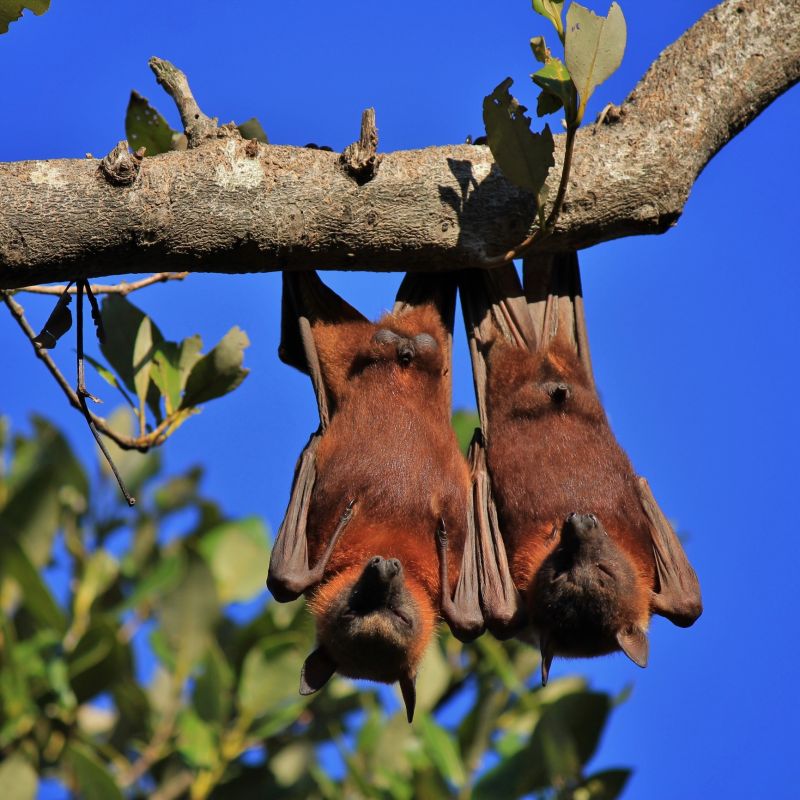
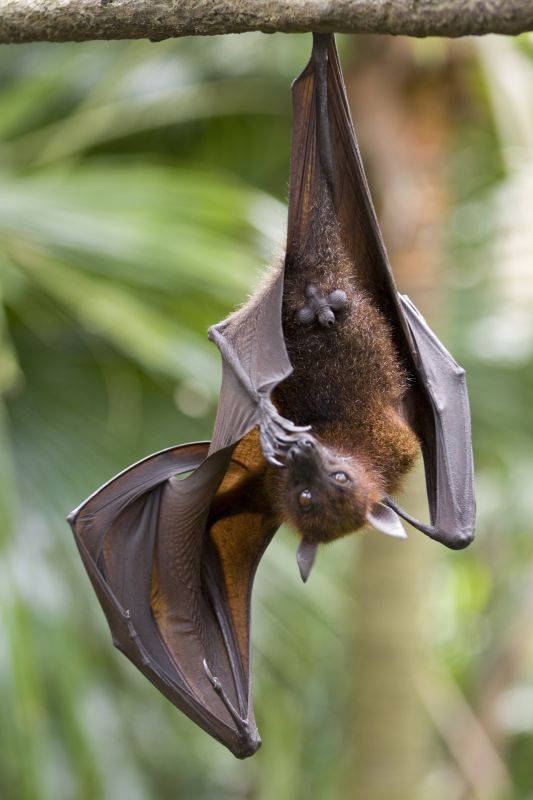

When people search for humane bird and bat deterrent methods for large buildings, they are often looking for ways to prevent these animals from roosting or nesting on their property without causing harm. Large buildings such as commercial complexes, warehouses, office towers, and industrial facilities frequently attract birds and bats because of their size, structure, and available shelter. Property owners and managers want to address issues like droppings, noise, and potential health concerns while ensuring that the animals are displaced safely and humanely. This search typically relates to plans for pest management, property maintenance, or wildlife control that emphasizes humane treatment and long-term solutions.
Many of the problems associated with large buildings and unwanted avian or bat presence involve damage to the structure, messes from droppings, and the spread of diseases. Birds and bats often find entry points or sheltered areas where they can establish colonies, leading to significant clean-up efforts and potential health hazards. Property owners may also be concerned about the impact on their tenants, visitors, or employees, especially if large numbers of animals gather on rooftops, ledges, or building facades. Implementing humane deterrent methods becomes part of a comprehensive plan to protect the property while respecting local wildlife. Local service providers who specialize in humane bird and bat deterrent methods can assess the specific property and recommend effective, non-lethal strategies.
The types of properties that commonly come up in discussions about humane bird and bat deterrent methods include commercial office buildings, industrial warehouses, retail centers, and institutional facilities like schools or hospitals. These structures often have large, flat surfaces, ledges, or overhangs that provide ideal roosting spots. Additionally, buildings with open or accessible roof spaces are particularly attractive to bats seeking shelter. Property managers and building owners tend to seek out local contractors who understand the unique challenges of large-scale deterrent projects, including the installation of bird spikes, netting, or specialized exclusion devices. These solutions are designed to be discreet, durable, and effective at discouraging animals from settling in problematic areas without harming them.
Understanding how humane bird and bat deterrent methods fit into larger property management plans helps homeowners and property owners see the value of working with local service providers experienced in humane wildlife control. These professionals can evaluate the property’s architecture and animal activity, then recommend appropriate deterrent measures that align with the goal of humane treatment. Whether installing bird exclusion devices, sealing entry points, or using visual and auditory deterrents, local contractors help ensure that large buildings remain free of unwanted wildlife in a way that is safe for both the animals and the property. Connecting with experienced service providers makes it easier to develop a tailored, effective plan for humane wildlife management on large structures.
Bird exclusion projects involve installing physical barriers and deterrents on large buildings, sharing skills relevant to humane bird deterrent methods for preventing bird entry humanely.
Bat habitat modification focuses on humane ways to manage bat roosts, requiring planning and techniques similar to those used in humane bat deterrent methods for large structures.
Building retrofitting for wildlife prevention includes installing humane deterrents to protect structures from bird and bat intrusion, aligning with skills used in humane deterrent methods for large buildings.
Wildlife-proofing services involve sealing and installing humane deterrents to prevent bird and bat access, sharing planning and installation skills relevant to humane bird and bat deterrent methods.
Urban wildlife exclusion projects focus on humane methods to exclude birds and bats from large commercial and industrial buildings, utilizing similar tools and planning as humane deterrent techniques.
Rooftop wildlife deterrent installations involve installing humane deterrent devices on building rooftops to prevent bird and bat nesting, requiring skills comparable to those used in humane bird and bat deterrent methods for large structures.
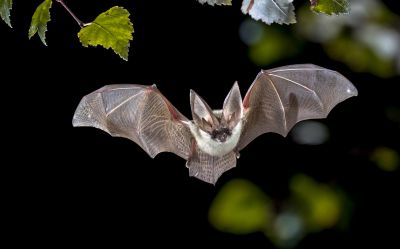
When evaluating service providers for humane bird and bat deterrent methods for large buildings, it’s important to consider their experience with similar projects. A contractor with a proven track record in handling large-scale bird and bat exclusion efforts will have a better understanding of the unique challenges that come with large structures. Inquiring about previous work can help determine if a contractor has the appropriate expertise, ensuring they are familiar with effective humane deterrent techniques and the complexities involved in large building environments.
Clear written expectations are essential to ensure both parties are aligned on the scope and approach of the project. A reputable service provider should be able to outline the methods they plan to use, the timeline, and any responsibilities the property owner may have. This clarity helps prevent misunderstandings and provides a basis for evaluating whether the proposed approach aligns with the homeowner’s goals for humane bird and bat deterrent methods.
Good communication and reputable references are key indicators of a dependable contractor. Service providers who are transparent about their processes and willing to share references from previous clients can give confidence in their professionalism and reliability. Homeowners should seek providers who are responsive to questions and can clearly explain their strategies, ensuring a smooth collaboration throughout the project. These qualities contribute to a positive experience and increase the likelihood of a successful, humane deterrent solution for large buildings.
Property owners often search for humane bird and bat deterrent methods for large buildings when they are planning practical projects around their homes and businesses. Local pros provide Humane Bird and Bat Deterrent Methods services for everyday jobs and straightforward project options.
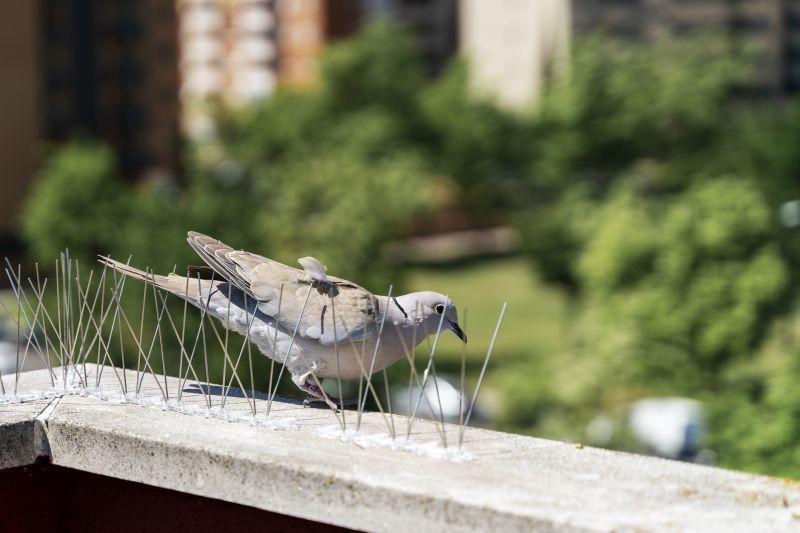
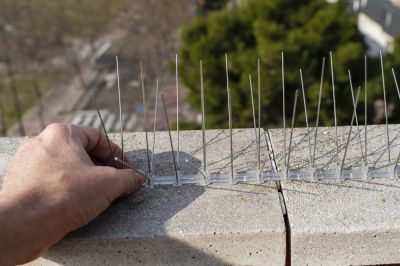
Many property owners in the area seek humane bird and bat deterrent methods for large buildings when they notice unwanted avian or bat activity. These situations can include droppings accumulating on rooftops, damage to building exteriors, or noise disturbances that disrupt daily operations. To address these concerns effectively, many turn to local contractors who specialize in humane deterrent solutions, ensuring that the animals are kept away without harm. These professionals can assess the specific needs of a building and recommend strategies that are both effective and respectful to the wildlife.
Property managers and business owners often look up humane bird and bat deterrent methods to prevent future issues and maintain the integrity of their buildings. Choosing experienced service providers can help ensure that the deterrents are installed properly and maintained over time. Local contractors familiar with the area’s building types and wildlife behaviors can provide tailored solutions, making it easier to manage bird and bat populations humanely while protecting the property. Connecting with these specialists can be a practical step toward resolving ongoing wildlife concerns in a responsible manner.
What are humane bird and bat deterrent methods for large buildings? Humane bird and bat deterrent methods for large buildings include installing visual and physical barriers, using sound deterrents, and applying humane exclusion techniques to prevent roosting without causing harm.
How do local service providers implement humane bird and bat deterrent methods? Local contractors assess building structures and wildlife behavior to recommend and install humane deterrents such as bird spikes, netting, and acoustic devices that discourage birds and bats humanely.
Are humane bird and bat deterrent methods effective for large buildings? When properly installed by experienced service providers, humane deterrent methods can effectively reduce bird and bat presence on large buildings while ensuring their safety.
Can humane deterrent methods be customized for different building types? Yes, local pros can tailor humane bird and bat deterrent solutions based on building design, location, and the species involved to achieve optimal results.
What maintenance is required for humane bird and bat deterrent systems on large buildings? Maintenance typically involves periodic inspections and adjustments of deterrent devices to ensure continued effectiveness without harming wildlife, which local service providers can handle.
Install bird and bat exclusion barriers - property owners can work with local contractors to set up physical barriers that prevent birds and bats from entering building spaces humanely.
Use visual deterrents - applying reflective tapes, predator decoys, or motion-activated devices can discourage birds and bats from roosting on large structures with assistance from local service providers.
Implement habitat modification strategies - removing or altering potential roosting sites on buildings can be achieved with the help of local pros specializing in humane deterrent methods.
Apply humane deterrent devices - local contractors can install sound or ultrasonic devices designed to deter birds and bats without causing harm, promoting a safe environment for both wildlife and property.
If you are thinking about humane bird and bat deterrent methods for large buildings for a property, this guide is meant to help you understand this topic, the typical project types, and how different options might fit your plans.
When you are ready, you can use the quote form on this page to share a few details about your project. From there, local pros can review the basics and follow up with options that match what you have in mind.